How to Plan Meals from Pantry Staples for Easy, Tasty Dinners
Planning meals from pantry staples is a practical way to save time, reduce grocery bills, and avoid food waste. Your pantry likely holds a treasure trove of ingredients that can be combined into delicious, nutritious meals without needing a last-minute grocery run. Whether you’re a busy professional, a family cook, or just someone who loves quick and easy dinners, learning how to plan meals around pantry staples can be a game changer.
In this post, we’ll explore how to organize your pantry, identify key staples, and create meal ideas that are both satisfying and flexible. Let’s dive in!
Why Plan Meals from Pantry Staples?
Before we get into the how, it helps to understand why pantry-based meal planning is so useful:
– Saves money: Using what you already have reduces impulse buys and food waste.
– Saves time: No need to run to the store last minute.
– Reduces stress: Knowing you have ingredients ready makes meal prep easier.
– Encourages creativity: Combining basics in new ways can inspire fun recipes.
Step 1: Organize Your Pantry for Easy Planning
Start by organizing your pantry. When you can clearly see what’s inside, meal planning becomes simpler.
Tips for Pantry Organization
– Group similar items: Keep canned goods, grains, baking supplies, and spices in designated areas.
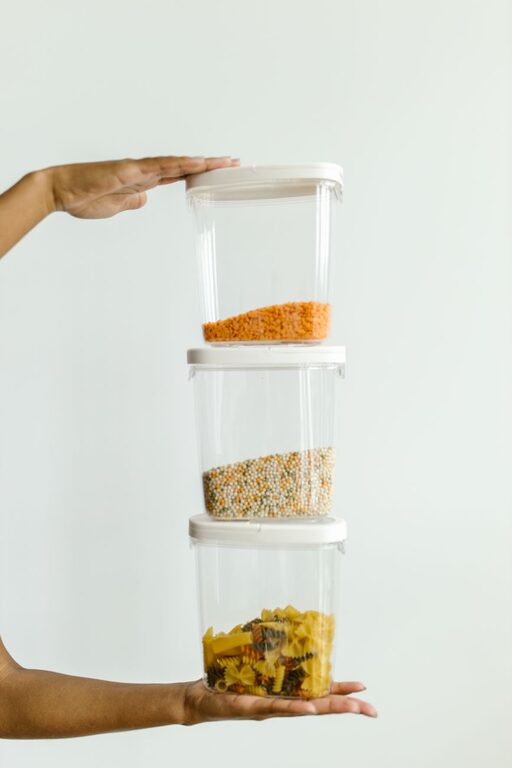
– Use clear containers: Transfer dry goods like rice, pasta, and lentils to see quantities quickly.
– Label shelves or containers: Helps everyone in the household know where things belong.
– Keep a list: Maintain a running inventory on a whiteboard or app to track what you have.
Step 2: Identify Your Pantry Staples
Knowing your staple ingredients ensures you can plan meals efficiently. Here are common pantry staples you might have:
Grains and Pasta
– Rice (white, brown, basmati)
– Quinoa
– Pasta (spaghetti, penne, macaroni)
– Oats
Canned and Jarred Goods
– Beans (black beans, chickpeas, kidney beans)
– Tomatoes (diced, crushed, tomato sauce)
– Tuna or salmon
– Broth or stock
– Coconut milk
Baking Essentials
– Flour (all-purpose, whole wheat)
– Baking powder and baking soda
– Sugar (granulated, brown, powdered)
– Yeast
Oils and Condiments
– Olive oil, vegetable oil
– Vinegars (balsamic, apple cider)
– Soy sauce
– Mustard
– Honey or maple syrup
Spices and Herbs
– Salt, pepper
– Garlic powder, onion powder
– Paprika, chili powder
– Cumin, oregano, thyme, basil
Nuts, Seeds, and Snacks
– Peanut butter or other nut butters
– Nuts (almonds, walnuts)
– Seeds (chia, flax, sunflower)
Step 3: Plan Balanced Meals Using Pantry Staples
Meals made primarily with pantry staples can be hearty and balanced when paired with fresh or frozen ingredients. Here’s how to approach meal planning:
Combine a Grain + Protein + Vegetables
Start with a base like rice or pasta, add protein from canned beans or tuna, then toss in some frozen or fresh veggies.
Example Meals:
– Chickpea curry: Canned chickpeas cooked in a sauce made from canned tomatoes, coconut milk, and spices served over rice.
– Tuna pasta salad: Cooked pasta mixed with canned tuna, olive oil, mustard, and frozen peas or chopped fresh veggies.
– Beans and rice bowl: Black beans served over brown rice with salsa, avocado (if available), and a sprinkle of cheese or nuts.
Use Soups and Stews
Soups are a great way to combine multiple pantry staples for a filling meal.
Example: Lentil soup using dried or canned lentils, canned tomatoes, broth, and spices. Add frozen spinach or carrots for extra nutrition.
Embrace One-Pot or Sheet-Pan Meals
Less cleanup and easy preparation make these popular options.
Example: One-pot pasta using dry pasta, canned tomatoes, garlic, and olive oil.
Step 4: Keep Fresh or Frozen Produce on Hand
While pantry staples are the base, fresh or frozen fruits and vegetables round out meals with vitamins and texture.
Ideas:
– Frozen vegetables like peas, corn, spinach, and mixed veggies are convenient and long-lasting.
– Fresh garlic, onions, and potatoes often last a while and add flavor.
– Fresh herbs can brighten dishes, but dried herbs work well too.
Step 5: Create a Flexible Meal Plan
Rather than rigid recipes, think in terms of ingredient combinations.
Sample Weekly Plan Using Pantry Staples
| Day | Meal Idea |
|————|————————————-|
| Monday | Canned chickpea curry with rice |
| Tuesday | Tuna pasta with frozen peas |
| Wednesday | Lentil soup with bread |
| Thursday | Black bean tacos with salsa and tortillas |
| Friday | One-pot tomato and pasta dish |
| Saturday | Fried rice with mixed frozen veggies and egg |
| Sunday | Bean chili with canned tomatoes and spices |
Step 6: Tips to Maximize Pantry Meal Success
– Rotate staples: Use the oldest items first to avoid spoilage.
– Batch cook: Make larger portions and refrigerate or freeze leftovers.
– Experiment with spices: Changing spices can give the same staples new flavors.
– Mix textures: Add crunch with nuts or seeds and creaminess with yogurt or avocado.
– Keep a recipe collection: Save simple recipes that use pantry staples for quick reference.
Conclusion
Planning meals from pantry staples is a smart way to simplify your cooking routine, reduce food waste, and enjoy tasty dishes without extra trips to the store. By organizing your pantry, identifying your staples, and combining ingredients thoughtfully, you can create a variety of meals that suit your lifestyle and tastes.
Give these tips a try, and you might find that your pantry is the key to stress-free, delicious home cooking!