
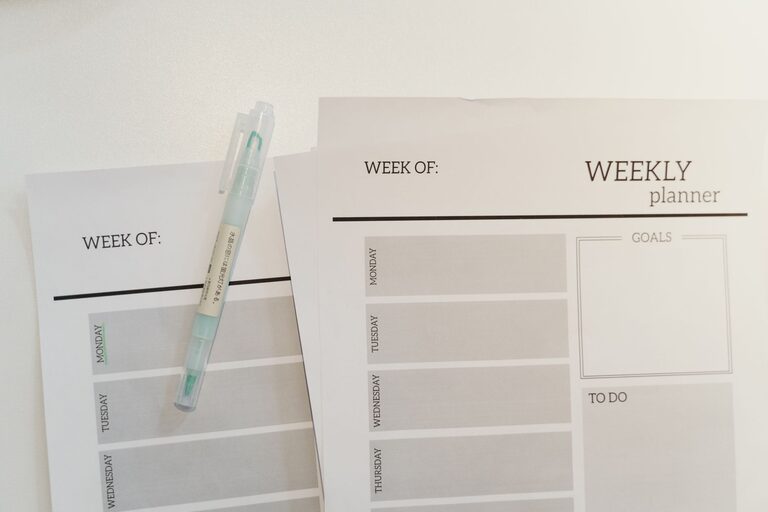
How to Set Realistic Weekly Goals for Better Productivity
Setting weekly goals is a powerful way to stay focused and make consistent progress toward your larger objectives. However, unrealistic goals can lead to frustration and burnout. The key is learning how to set realistic weekly goals that are both motivating and attainable.
In this post, we’ll explore simple strategies to help you create clear, manageable goals each week, enabling you to boost productivity and maintain a healthy balance.
Why Set Weekly Goals?
Weekly goals act as a bridge between your daily tasks and your long-term ambitions. They help in:
– Breaking down big objectives: Large projects can feel overwhelming. Weekly goals break them into smaller, actionable steps.
– Increasing focus: Knowing what to prioritize each week helps reduce distractions.
– Tracking progress: Weekly checkpoints allow you to assess what’s working and adjust as needed.
– Building momentum: Completing goals regularly builds confidence and motivation.
Step 1: Reflect on Your Larger Goals
Before you set your weekly goals, look at your bigger picture. What are your monthly or quarterly objectives? Understanding your long-term targets ensures your weekly goals align and contribute toward those outcomes.
Try writing down your key long-term goals so you can refer back to them each week.
Step 2: Keep Your Goals Specific and Measurable
Vague goals like “work more” or “get fit” are hard to track. Instead, make each goal specific and measurable. For instance:
– “Complete three chapters of my online course”
– “Exercise for 30 minutes, four times this week”
– “Reply to all client emails within one business day”
Specific goals help you clearly know when you’ve achieved them and keep you accountable.
Step 3: Prioritize Your Goals
You might want to accomplish a lot in a week, but trying to do too much can backfire. Limit yourself to 3–5 key goals per week to keep your focus sharp.
Use the following methods to prioritize:
– Urgency and importance: Which tasks have deadlines or big consequences?
– Effort required: Consider how much time and energy each goal requires.
– Impact: Focus on goals that move you closer to your bigger objectives.
Step 4: Break Goals Into Smaller Tasks
Large goals still need breaking down into manageable chunks to avoid feeling overwhelmed. For instance, if your goal is to “write a 1,500-word blog post,” break it down like this:
– Research topic (1 hour)
– Outline key points (30 minutes)
– Write first draft (2 hours)
– Edit and proofread (1 hour)
This approach makes each step clear and doable within your week.
Step 5: Set Realistic Timeframes
Estimate how much time each task will take and be honest with yourself. If you have a busy week ahead, reduce the number or complexity of your goals accordingly.
Remember to factor in breaks, unexpected events, and time for rest. Overloading your schedule can reduce your productivity and increase stress.
Step 6: Write Your Goals Down
Writing your goals makes them tangible and easier to remember. Use a planner, digital app, or even sticky notes—whatever works best for you.
Some find it helpful to keep their goals visible throughout the week, such as on a whiteboard or desk calendar.
Step 7: Review and Adjust Weekly
At the end of each week, take 10–15 minutes to review your progress:
– Which goals did you accomplish?
– What challenges did you face?
– Are there goals to carry over or modify for next week?
Use this reflection to adapt your future goals and improve your planning.
Tips for Staying Motivated
– Celebrate small wins: Recognize your achievements, no matter the size.
– Stay flexible: Life happens; adjust your goals without guilt when needed.
– Use reminders: Set alarms or notifications to keep goals top of mind.
– Find accountability partners: Share your goals with a friend or group for support.
Tools to Help You Set and Track Weekly Goals
There are many tools designed to simplify goal-setting:
– Trello or Asana: Organize tasks into boards and checklists.
– Google Calendar: Schedule time blocks for goal-related tasks.
– Habit-tracking apps: Monitor consistent behaviors like exercising or studying.
– Bullet journals: Combine planning and reflection in a creative way.
Final Thoughts
Setting realistic weekly goals is a skill that improves with practice. By aligning your weekly goals with your bigger objectives, keeping them specific, manageable, and flexible, you’ll create a productive routine that supports steady progress.
Remember, the goal is not perfection but consistent, meaningful effort. Start small, stay patient, and celebrate your journey toward achieving your dreams—one week at a time.