
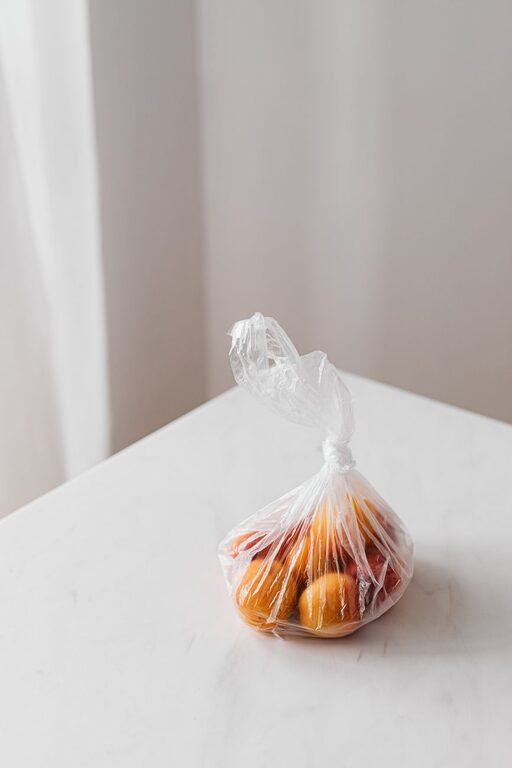
Simple and Effective Ways to Reduce Food Waste at Home
Reducing food waste at home is a simple yet impactful way to save money, conserve resources, and reduce environmental harm. Every year, a large amount of food is discarded unnecessarily, despite many of those items still being edible or usable. By adopting a few mindful habits, you can significantly cut down on your household food waste. This guide shares practical, easy-to-follow strategies designed for any kitchen.
Why Reducing Food Waste Matters
Food waste not only means wasted money but also contributes to environmental problems. When food ends up in landfills, it produces methane, a potent greenhouse gas. Additionally, wasted food involves lost labor, water, and energy that went into producing it. Being more mindful about your food consumption and storage helps you support a more sustainable lifestyle.
Plan Your Meals in Advance
One of the most effective ways to reduce food waste is by planning your meals. Here’s how to get started:
– Make a weekly meal plan: Decide what you will eat for breakfast, lunch, and dinner. This approach helps you shop only for the items you need.
– Create a shopping list: Based on your meal plan, write down all ingredients. Stick to it to avoid impulse buys that might go unused.
– Check your pantry and fridge first: Before shopping, see what you already have. Use those ingredients first to prevent them from spoiling.
Shop Smart and Buy Only What You Need
Overbuying often leads to food going bad before it can be consumed. To shop smarter:
– Buy loose produce: This lets you select only the quantity you need rather than pre-packaged amounts.
– Avoid bulk buying perishables you won’t use quickly: Bulk options are great for long-lasting staples but can increase waste with fresh items.
– Choose versatile ingredients: Select foods that can be used in multiple meals or repurposed easily.
Store Food Properly to Extend Freshness
How you store your groceries greatly impacts how long they stay fresh. Tips for proper storage include:
– Use airtight containers: Keep fruits, vegetables, and leftovers in sealed containers to maintain moisture and prevent spoilage.
– Understand produce storage: Some fruits emit ethylene gas (like apples and bananas) which can speed up ripening of other produce. Store these separately.
– Label leftovers with dates: This helps you track how long food has been stored and prioritize eating older items first.
Practice Portion Control
Cooking and serving the right amounts can reduce plate waste:
– Cook only what you’ll eat: Avoid preparing large meals out of habit. Start with smaller portions and add more if needed.
– Use smaller plates: This can help control serving sizes and reduce leftover food.
– Save leftovers creatively: Instead of throwing away extra food, incorporate leftovers into new meals like soups, casseroles, or sandwiches.
Get Creative with Leftovers and Scraps
Leftovers don’t have to be boring or wasted. Here are some ideas:
– Make soups and stews: Toss in leftover vegetables, meat, or grains.
– Create meal bowls: Combine various leftovers with fresh ingredients for a nutritious bowl.
– Freeze for later: Many cooked foods freeze well and can be enjoyed later when you’re short on time.
– Use vegetable scraps: Turn peels, stems, and ends into homemade vegetable broth.
Compost Food Waste
Sometimes, despite best efforts, some food scraps are unavoidable. Composting is a great way to recycle food waste:
– Start a compost bin: Collect food scraps like fruit and vegetable peels, coffee grounds, and eggshells.
– Avoid composting meat or dairy: These items can attract pests and cause odor.
– Use compost in your garden: This enriches soil naturally and reduces landfill waste.
Monitor and Adjust Your Habits
Finally, tracking your progress helps maintain food waste reduction:
– Keep a food waste diary: Note what you throw away and why.
– Identify patterns: This will help you adjust shopping, cooking, or storage habits.
– Involve the whole household: Encourage family members to participate and share ideas.
Conclusion
Reducing food waste at home is achievable with some planning and small changes. By purchasing thoughtfully, storing properly, and creatively using leftovers, you can cut down on waste, save money, and help the environment. Start with one or two tips and gradually adopt more to make a lasting impact. Every effort counts toward a more sustainable and mindful kitchen.
—
By following these practical steps, you’ll not only enjoy fresher meals but also contribute positively to the planet’s health. Give it a try and see how these habits can transform your household!
