
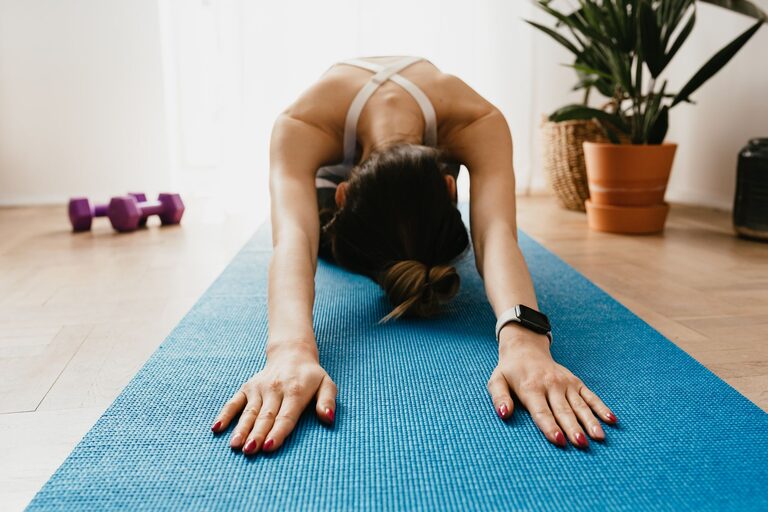
A Beginner’s Guide to Stretching at Home for Better Flexibility
Stretching is a simple yet powerful way to enhance your physical health, relieve muscle tension, and improve your range of motion. Whether you’re new to exercise or looking for a gentle way to stay active, stretching at home is an accessible option that requires no special equipment or gym membership. This beginner’s guide will walk you through the basics of stretching, offer practical tips, and provide easy routines you can incorporate into your daily life.
Why Stretching Matters
Stretching helps maintain and improve flexibility — the ability to move your joints through their full range of motion. Greater flexibility can:
– Improve posture and alignment
– Reduce muscle stiffness and soreness
– Lower the risk of injuries
– Enhance circulation
– Promote relaxation and reduce stress
Incorporating stretching into your day is beneficial whether you spend time sitting at a desk, exercising, or simply want to feel more comfortable in your body.
Types of Stretching
Before diving into exercises, it’s helpful to understand the two most common types of stretching:
1. Static Stretching
Static stretching involves slowly extending a muscle to its furthest point and holding that position for 15 to 60 seconds. This type is ideal for cooling down after physical activity or for improving flexibility over time.
2. Dynamic Stretching
Dynamic stretching uses controlled, gentle movements that take the muscles through their full range of motion. These stretches are great for warming up before exercise, preparing the body for movement.
For beginners, starting with static stretches is often easier and safer. Dynamic stretches can be introduced gradually as your flexibility and confidence improve.
How to Stretch Safely at Home
To get the most benefit and avoid injury, follow these important guidelines:
– Warm up first: Stretching cold muscles can increase the risk of strains. A few minutes of light activity like walking in place or arm circles can warm your body.
– Stretch gently: Avoid bouncing or forcing your body into uncomfortable positions. You should feel a mild pull but no sharp pain.
– Breathe normally: Don’t hold your breath while stretching. Deep, even breathing helps your muscles relax.
– Hold stretches consistently: Aim for 15 to 30 seconds per stretch, repeating 2 to 4 times for each muscle group.
– Stretch both sides: Try to stretch both the left and right sides evenly to maintain balance.
Basic Stretching Routine for Beginners
Here’s a simple, full-body stretching routine you can do at home in about 10–15 minutes.
1. Neck Stretch
– Sit or stand tall.
– Slowly tilt your head toward your right shoulder and hold for 20 seconds.
– Repeat on your left side.
2. Shoulder Stretch
– Bring your right arm across your chest.
– Use your left hand to gently press your arm closer to your chest.
– Hold for 20 seconds, then switch arms.
3. Triceps Stretch
– Raise your right arm overhead and bend the elbow to touch your upper back.
– Use your left hand to gently press your right elbow downward.
– Hold for 20 seconds and switch arms.
4. Chest Stretch
– Stand tall and clasp your hands behind your back.
– Straighten your arms and gently lift your hands upward while opening your chest.
– Hold for 20-30 seconds.
5. Side Stretch
– Raise your right arm overhead.
– Lean gently toward your left side until you feel a stretch along your torso.
– Hold 20 seconds and switch sides.
6. Hamstring Stretch
– Sit on the floor with both legs extended.
– Slowly lean forward from your hips toward your toes, keeping your back straight.
– Hold for 30 seconds.
7. Quadriceps Stretch
– Stand near a wall or chair for support.
– Bend your right knee and grab your ankle behind you.
– Pull the ankle toward your buttocks and hold for 20 seconds.
– Switch legs.
8. Calf Stretch
– Stand facing a wall with your hands on it.
– Step your right leg back while keeping it straight and your heel on the floor.
– Bend your left knee and lean forward slightly.
– Hold for 20 seconds, then switch legs.
Tips for Making Stretching a Habit
Consistency is key when it comes to improving flexibility. Here are some tips to help you make stretching a regular part of your routine:
– Set a daily time: Stretch for a few minutes each morning or evening. Even 5 to 10 minutes daily can make a difference.
– Create a comfortable space: A quiet, clutter-free area with a yoga mat or soft carpet helps you focus.
– Use reminders: Set phone alarms or leave notes to remind you to stretch.
– Combine with other habits: Stretch after brushing your teeth or watching TV.
– Listen to your body: Avoid overdoing it. Progress gradually to avoid discomfort.
When to Avoid Stretching or Seek Advice
While stretching is generally safe, you should consult a healthcare professional before beginning a new exercise program if you have:
– Recent injuries or surgeries
– Chronic pain or joint problems
– Severe osteoporosis or other medical conditions affecting bones and muscles
If you experience sharp pain, dizziness, or numbness while stretching, stop immediately and seek medical advice.
Final Thoughts
Stretching at home is an easy, effective way to care for your body. With just a few minutes each day, you can improve flexibility, reduce tension, and enjoy a greater sense of well-being. Start slowly, listen to your body, and build your routine over time. Your muscles and joints will thank you!
Remember, a little stretching goes a long way toward feeling more comfortable and moving more freely in daily life. So roll out your mat, start with these beginner stretches, and enjoy the benefits of a more flexible, relaxed you!
